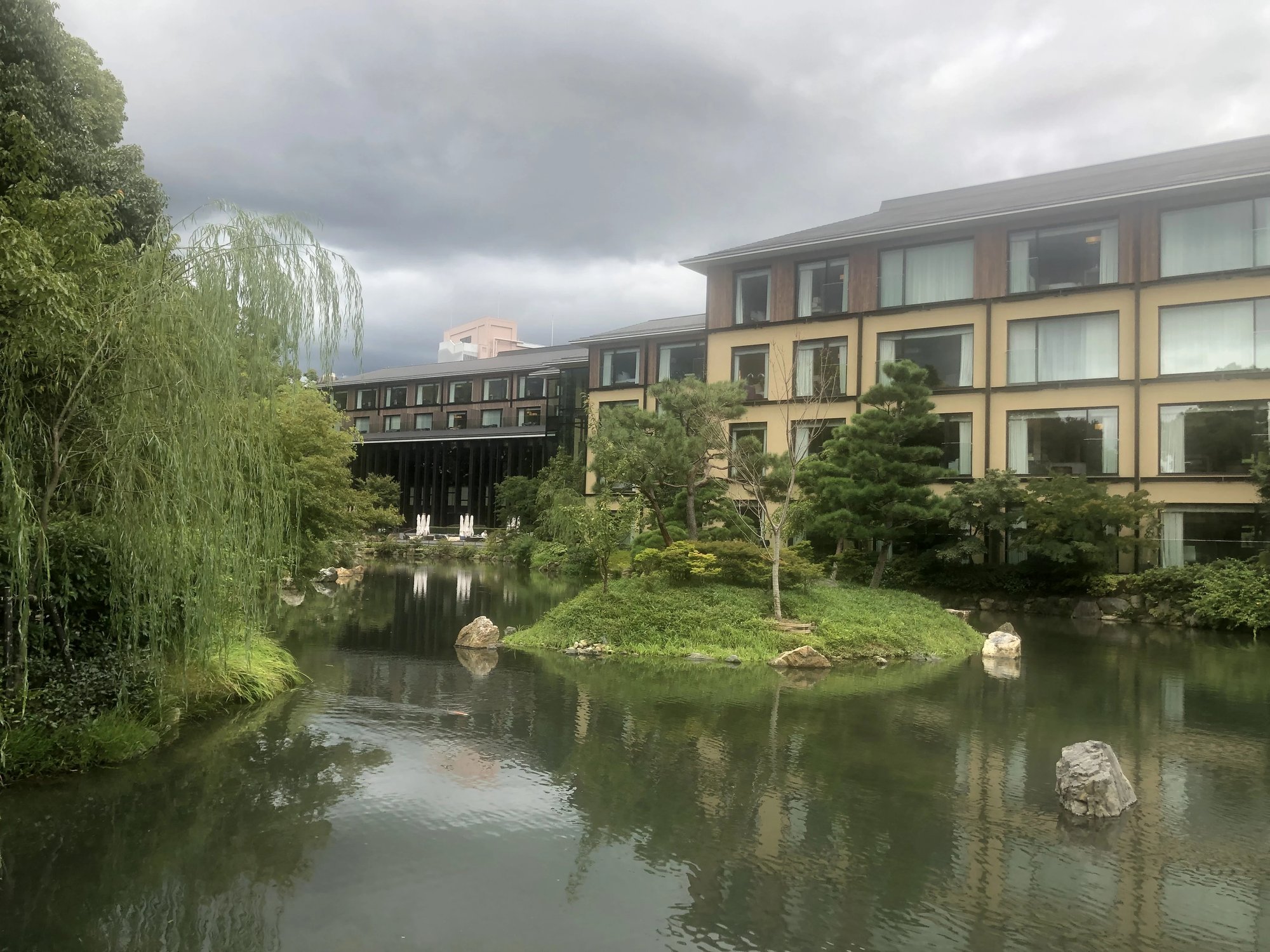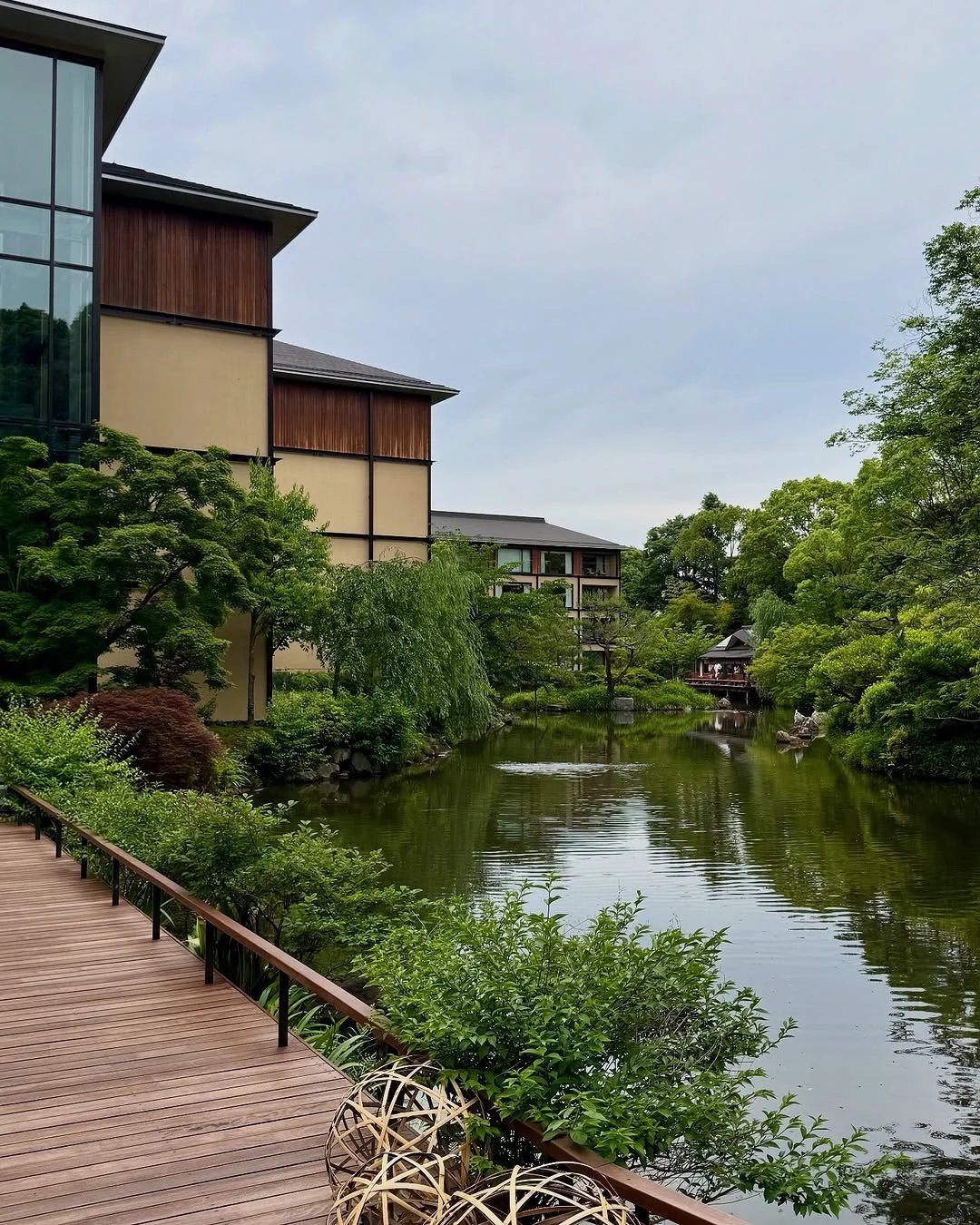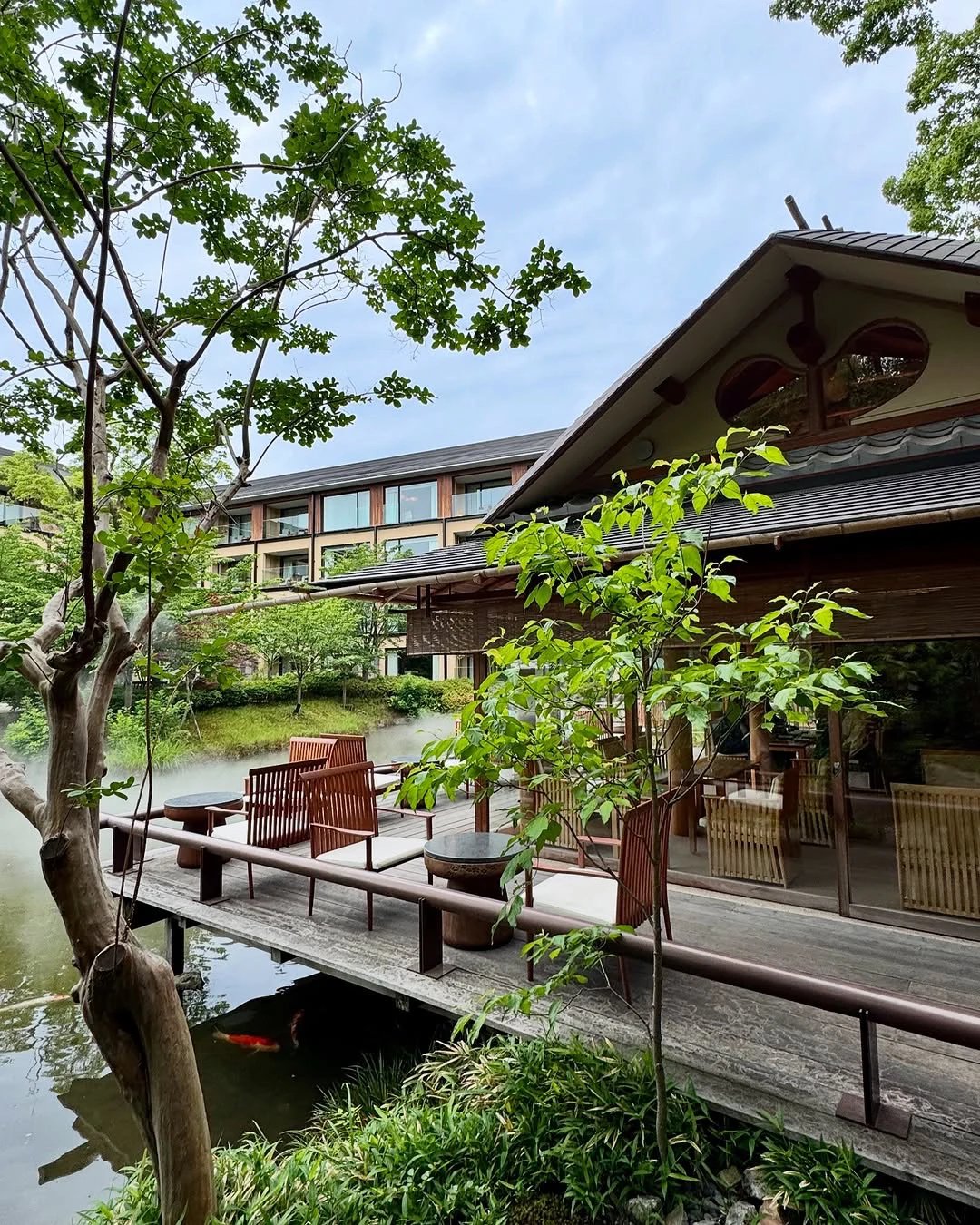
Most of what I loved about the Four Seasons Kyoto happened beside its 800-year-old pond garden, from a bowl of matcha in the teahouse on the water to an early walk over the stone bridge with the koi turning below. Add the loveliest hotel pool I've swum in anywhere in Kyoto and a playroom for the children, and this is the Kyoto hotel I'd pick for a family. It's a big place, though, and less personal than the Park Hyatt or the Ritz-Carlton, one restaurant does most of the work, and our balcony room was handsome and comfortable but looked at treetops and a temple roof, with a bathroom that could be anywhere. At about $1,100 on a typical night it costs about the same as the Ritz-Carlton and a little less than the Park Hyatt, so I'd book a garden room here for a longer family stay, and send couples on a short first trip to the Park Hyatt and the old lanes. See pictures ↓
Service
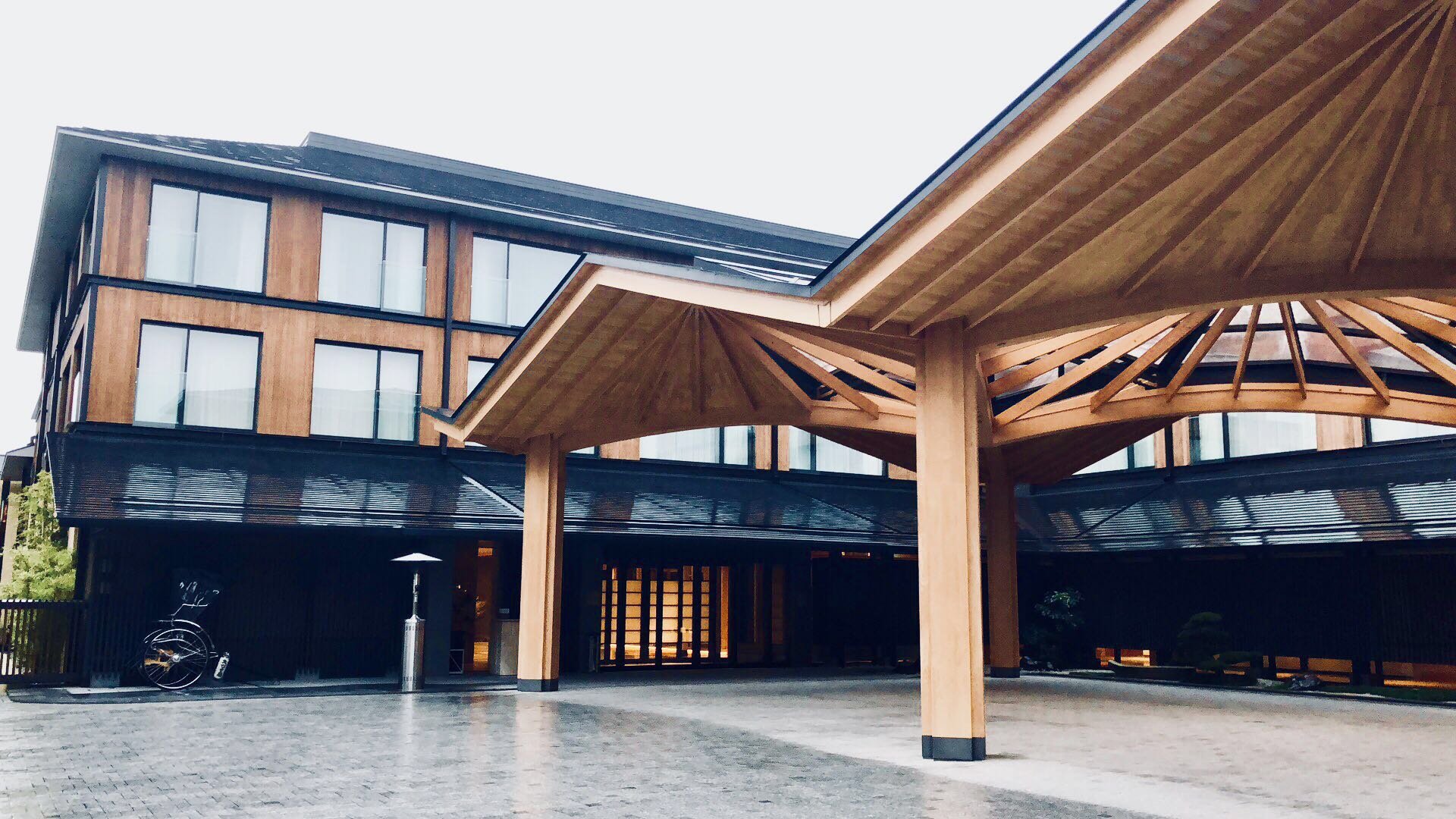
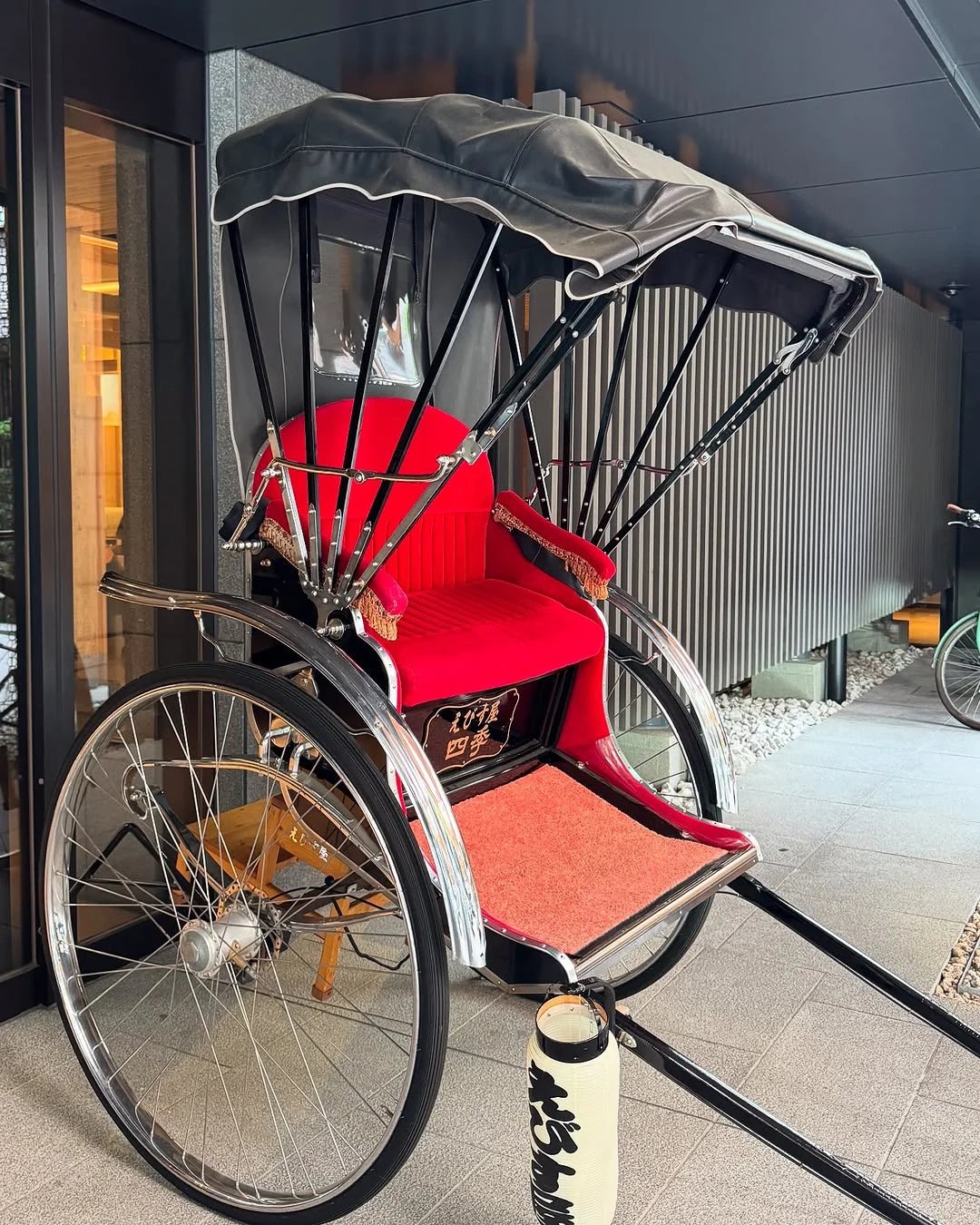
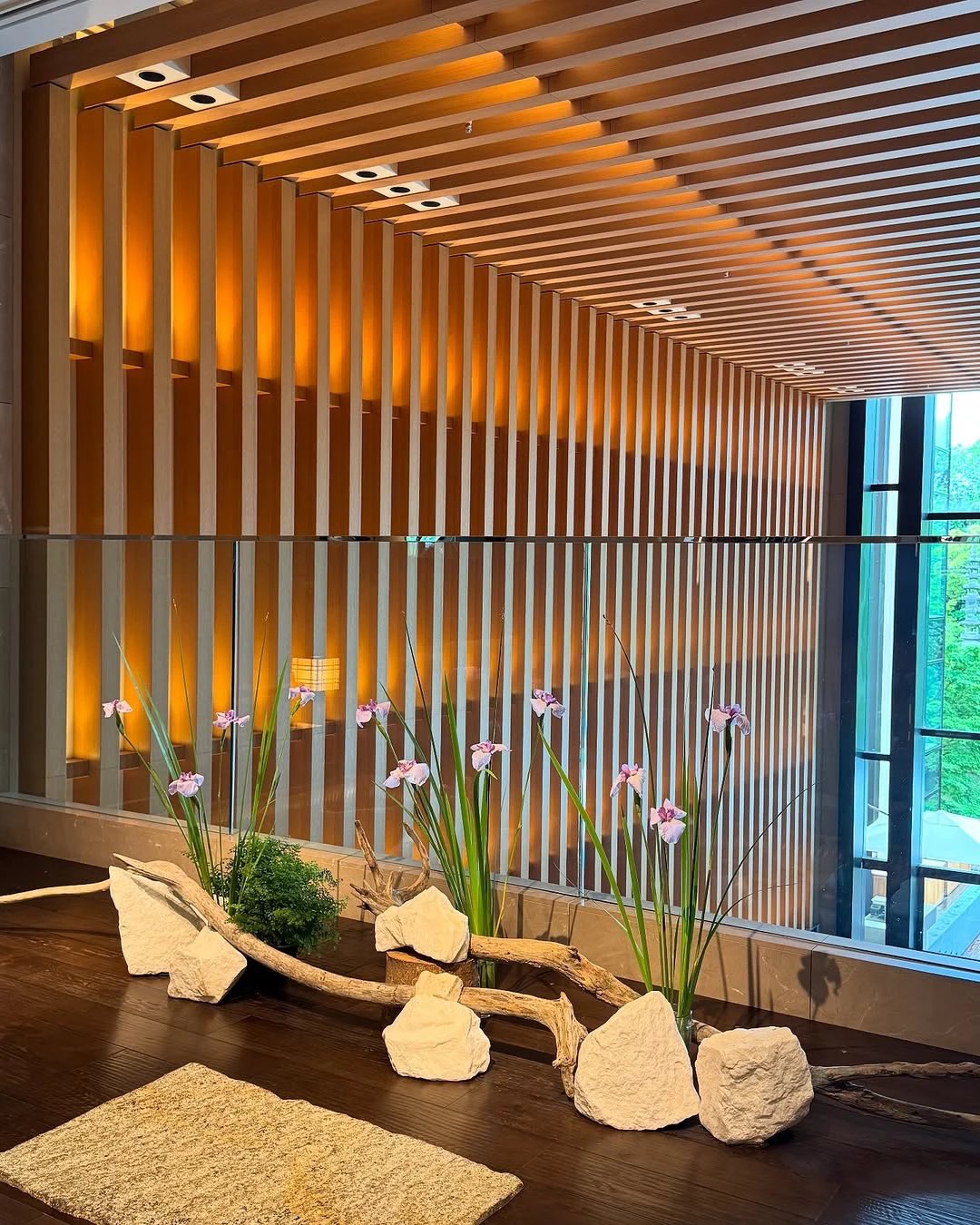
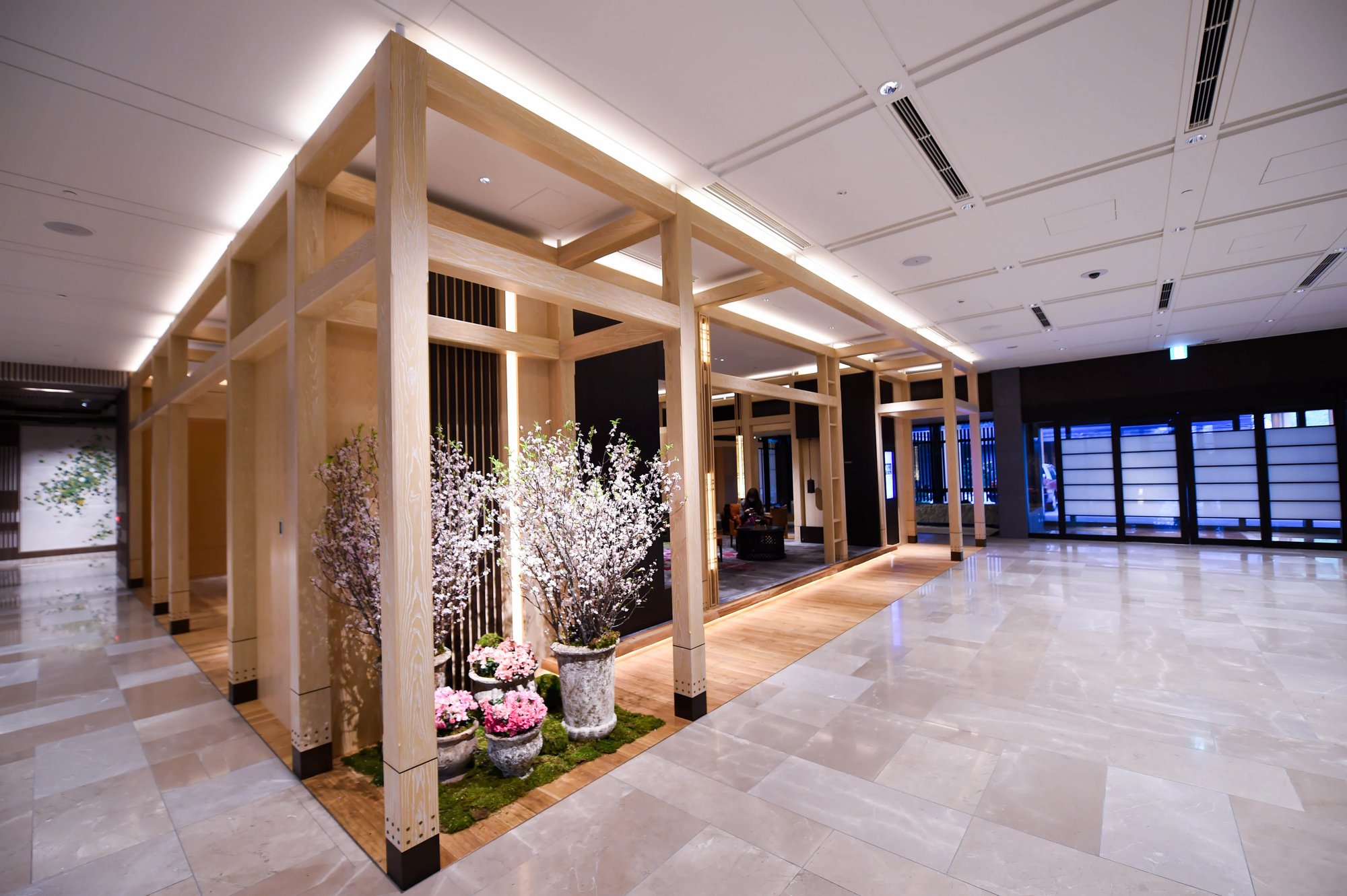
We pulled in under the porte-cochere, a big timber canopy shaped like the ribs of an open umbrella, and our bags were gone before I'd got out of the car. The way in runs through a stand of bamboo, past a black-hooded rickshaw with a red velvet seat parked by the door, and washi-paper lamps hang over the lobby. Check-in was brief and polished. Housekeeping comes twice a day, and each evening we came back to a turned-down room with a little treat waiting.
The staff were warm and quick, and more than once someone had thought of what we needed before we asked. But this is a big hotel, with 180 rooms and residences around one garden, and you feel it. Nobody learned our names the way they do at the Park Hyatt, and a couple of requests took longer than they should have, which I didn't expect from a Four Seasons.
Where the size works in your favour is with children. There's a playroom for three- to eight-year-olds, under-18s stay free in their parents' room, under-fives eat free and 48 of the rooms connect, so this is where I'd send any friend with young children. The hotel rents out bikes for a ride along the Kamogawa, and Fuju, the teahouse on the pond, holds tea ceremonies during the day.
Rooms
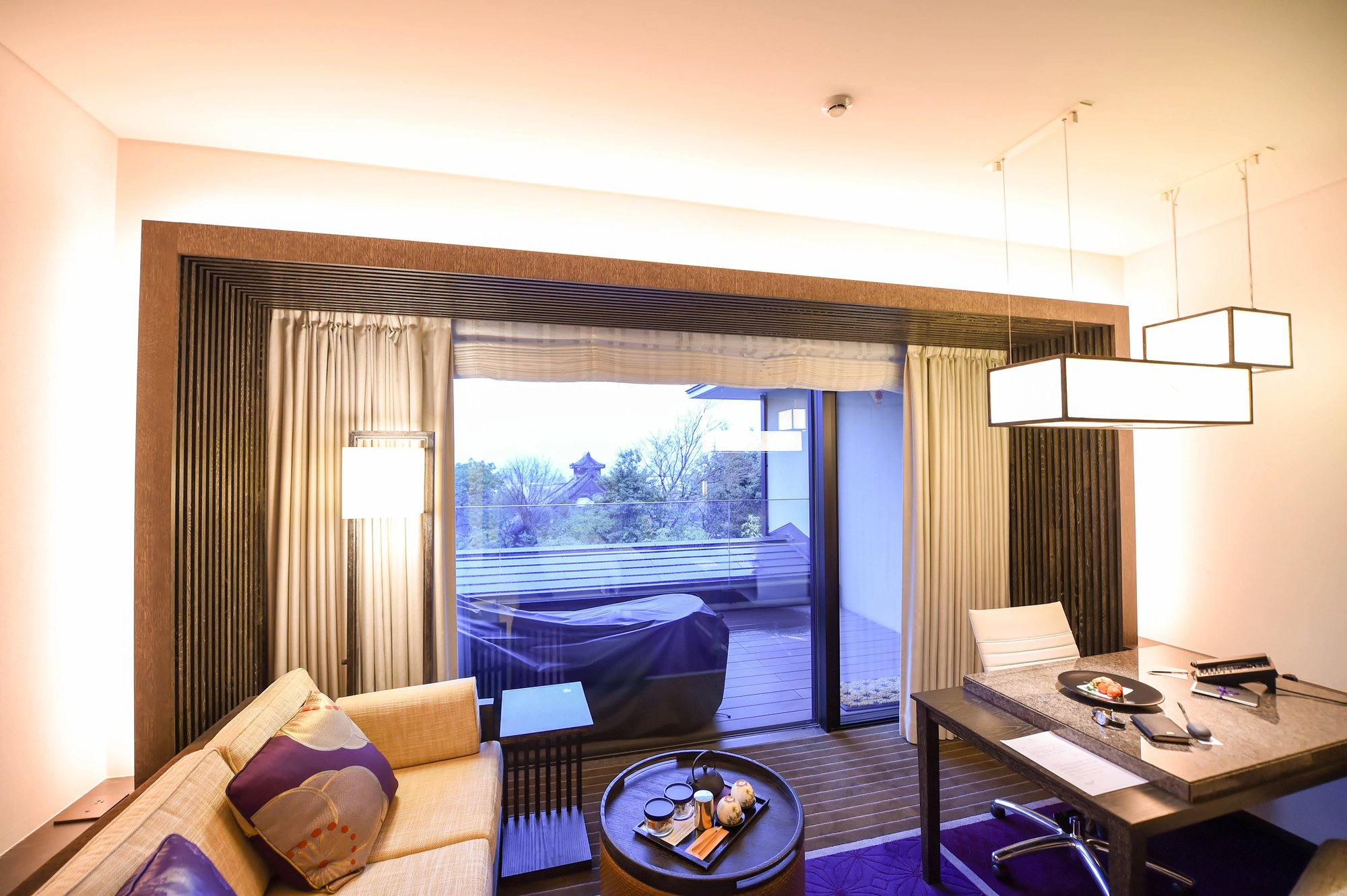
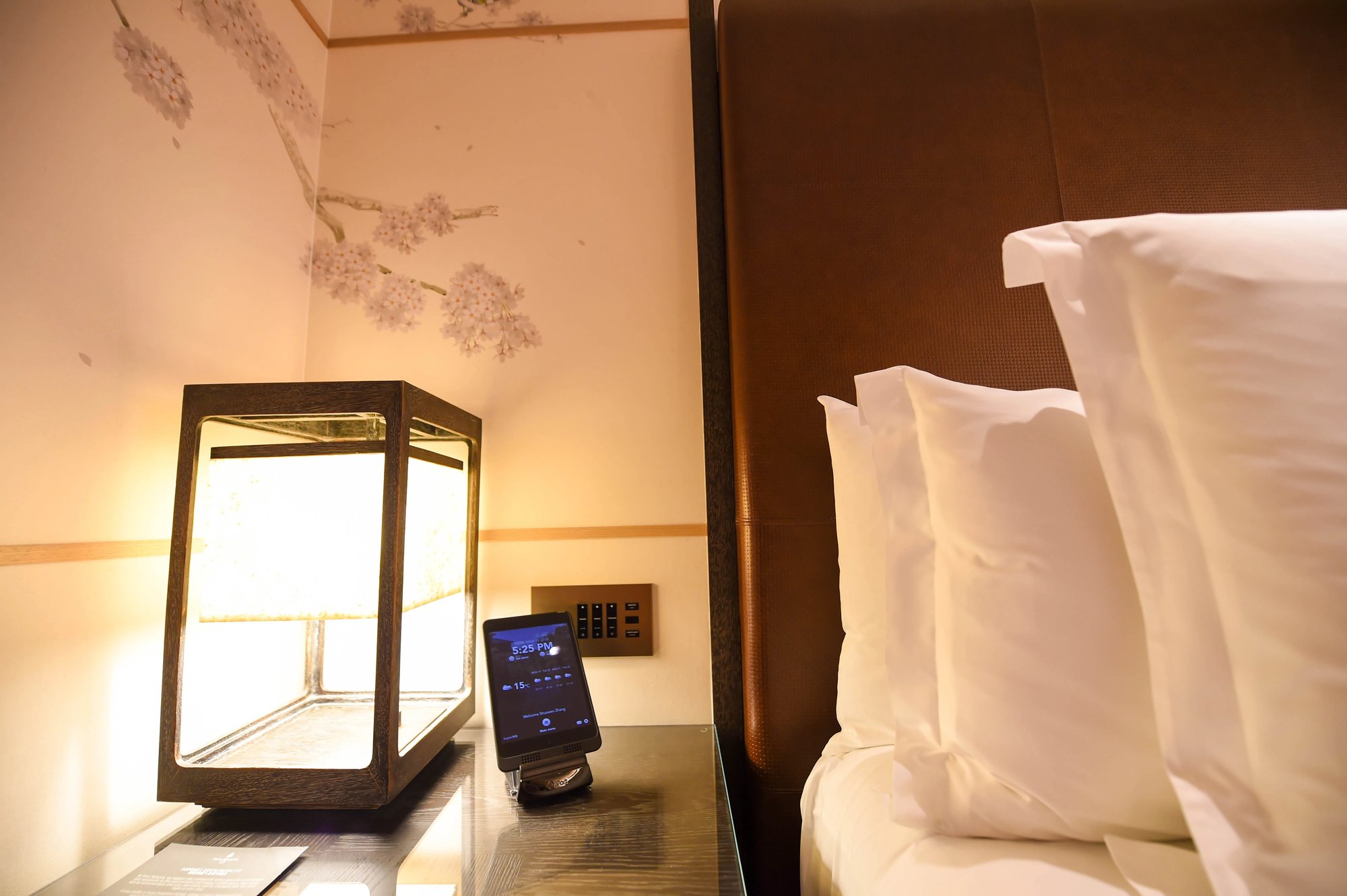
When we first opened the door, the late sun was coming in through the balcony glass and the whole room glowed amber. Ours was a balcony room with a temple view, long and calm, with a big white bed under a tall padded headboard and hand-painted screens of cherry blossom and small birds on either side. A dark wooden bench sits at the foot of the bed, and at the far end, on a purple carpet, there's a sofa with plum-blossom cushions, a round ottoman with a tea tray and an iron kettle, and a stone-topped desk by the window. The bed was very comfortable, and the lamp beside it, a box of wood and washi paper, gives off such a soft light that I fell asleep with it on.
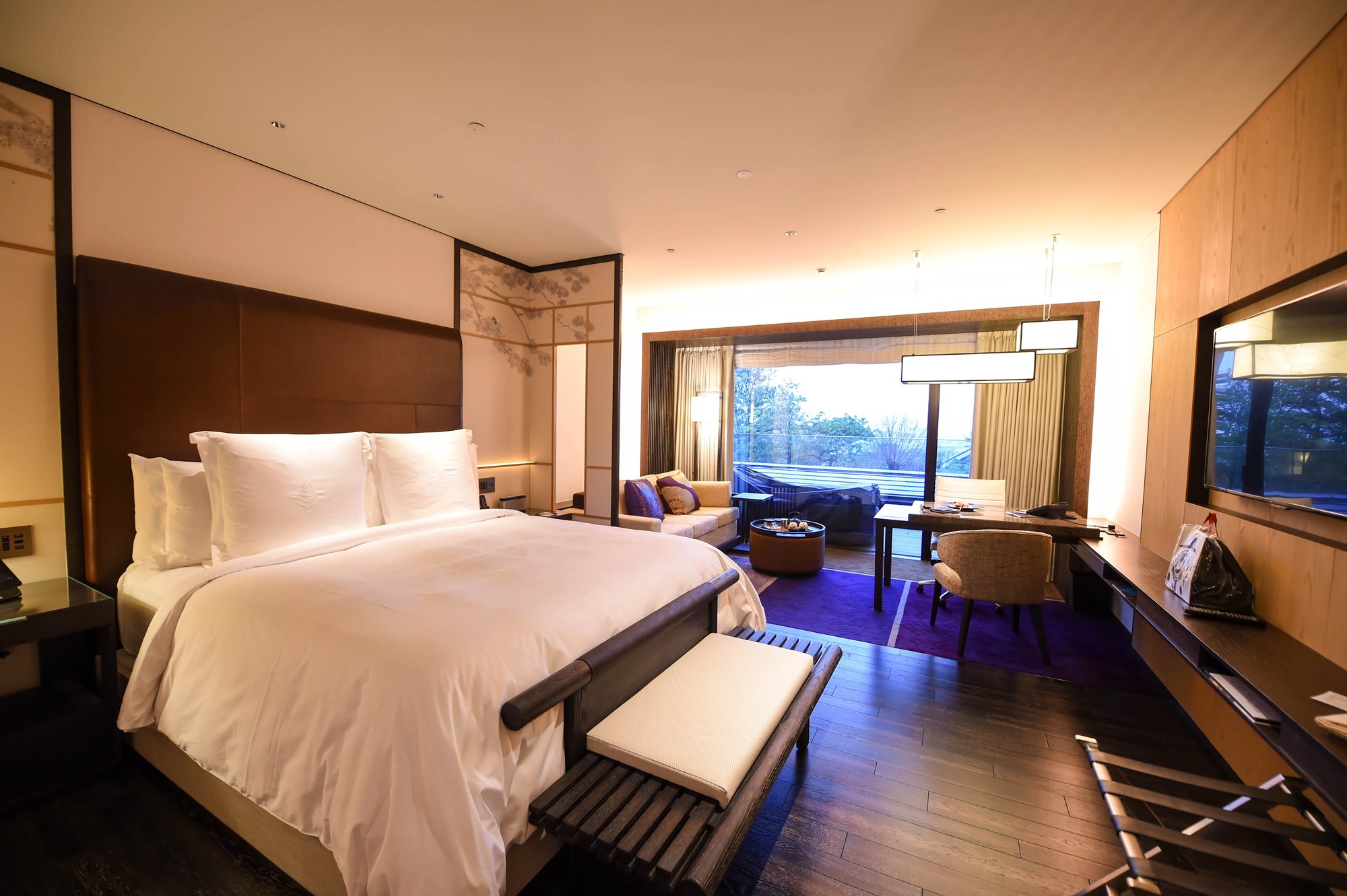
The balcony is the part I liked best. A full-height glass door slides open onto a wooden deck with a glass rail and a lounger, and past the treetops you see the tiered roof of a temple. I took my morning tea out there, and it was very quiet. The pond isn't in view from this side, though. If the garden is why you're coming, book one of the Heritage Garden rooms, which look over the water.
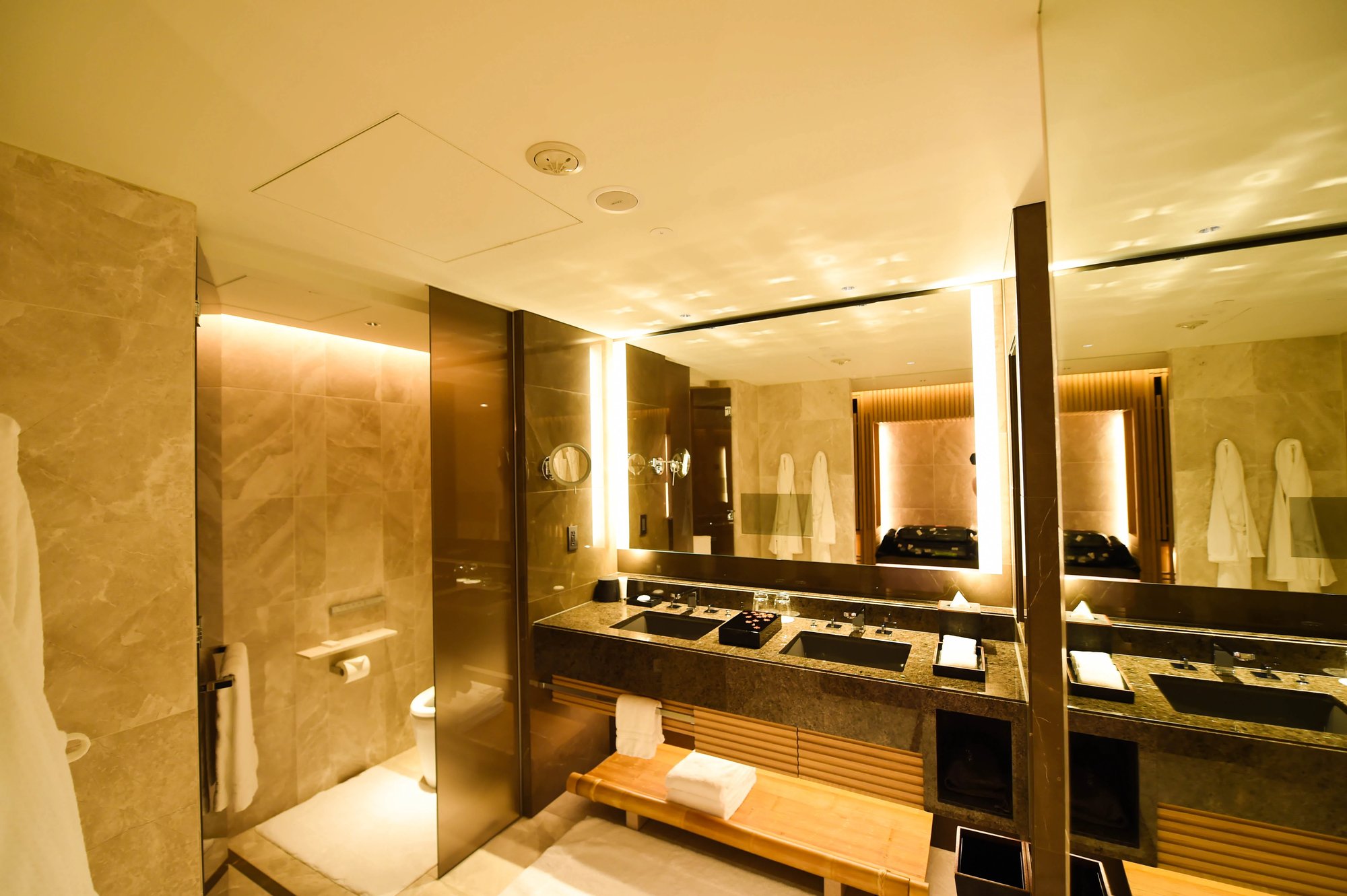
The bathroom is the weaker half. There's a long granite vanity with two black basins under a wide lit mirror, a glass walk-in shower and a separate toilet, all in beige marble. Ours had no bathtub, and I missed one after long days walking round temples. A bamboo bench under the vanity and a black lacquer box on the counter are the only hints of Japan, and the rest you'd find in any good hotel in Asia. The rooms haven't changed since the hotel opened in 2016, but everything in ours was in good order and spotless.
Food and drink
My favourite hour here was late in the afternoon at Fuju, the teahouse out on the pond, with a bowl of matcha and a small sweet while the koi drifted under the water. You reach it over a glass bridge and along a garden path. After dark it turns into a bar pouring sake and champagne by the glass, and it's where I'd take anyone I wanted to show the hotel to.
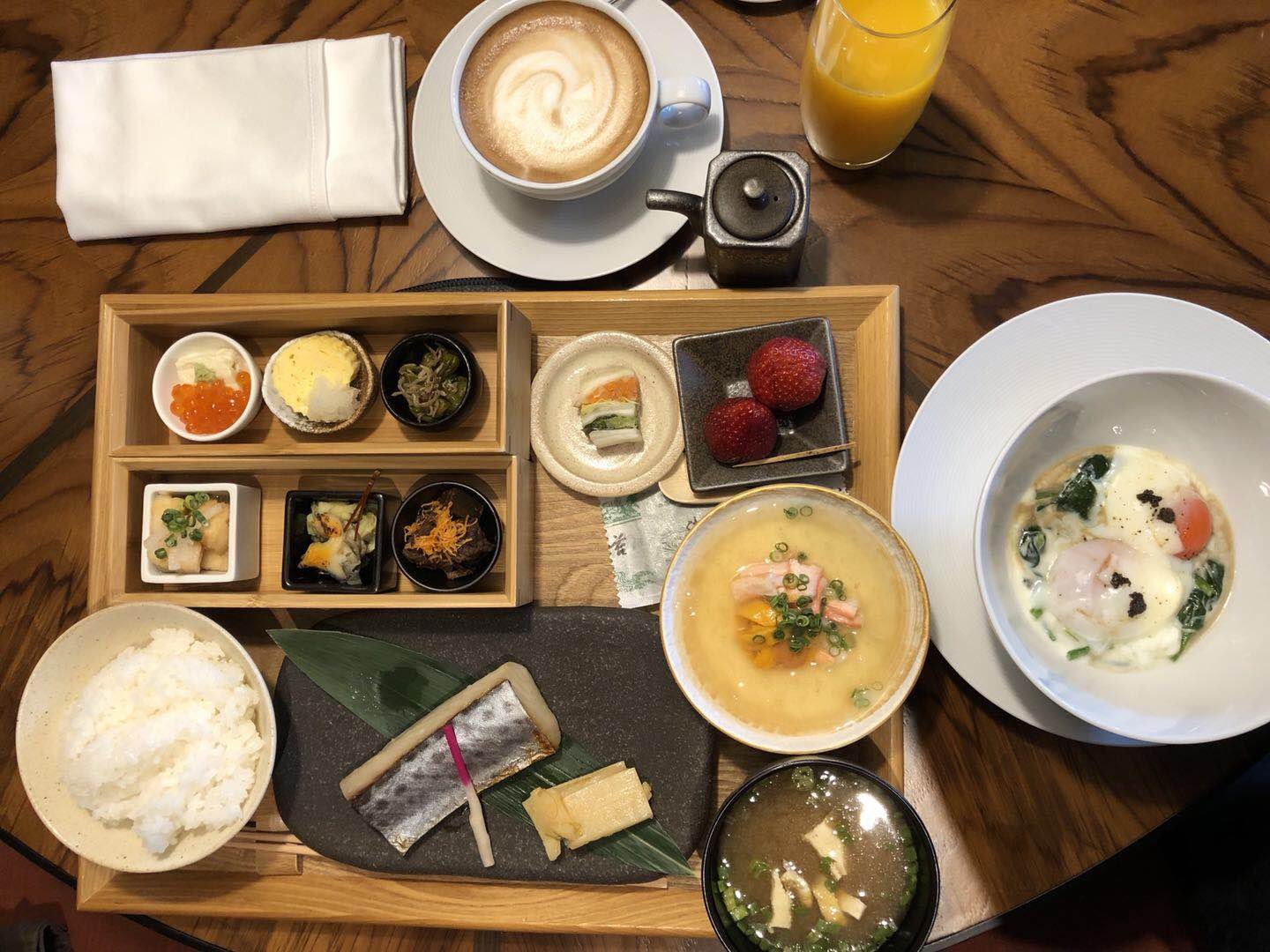
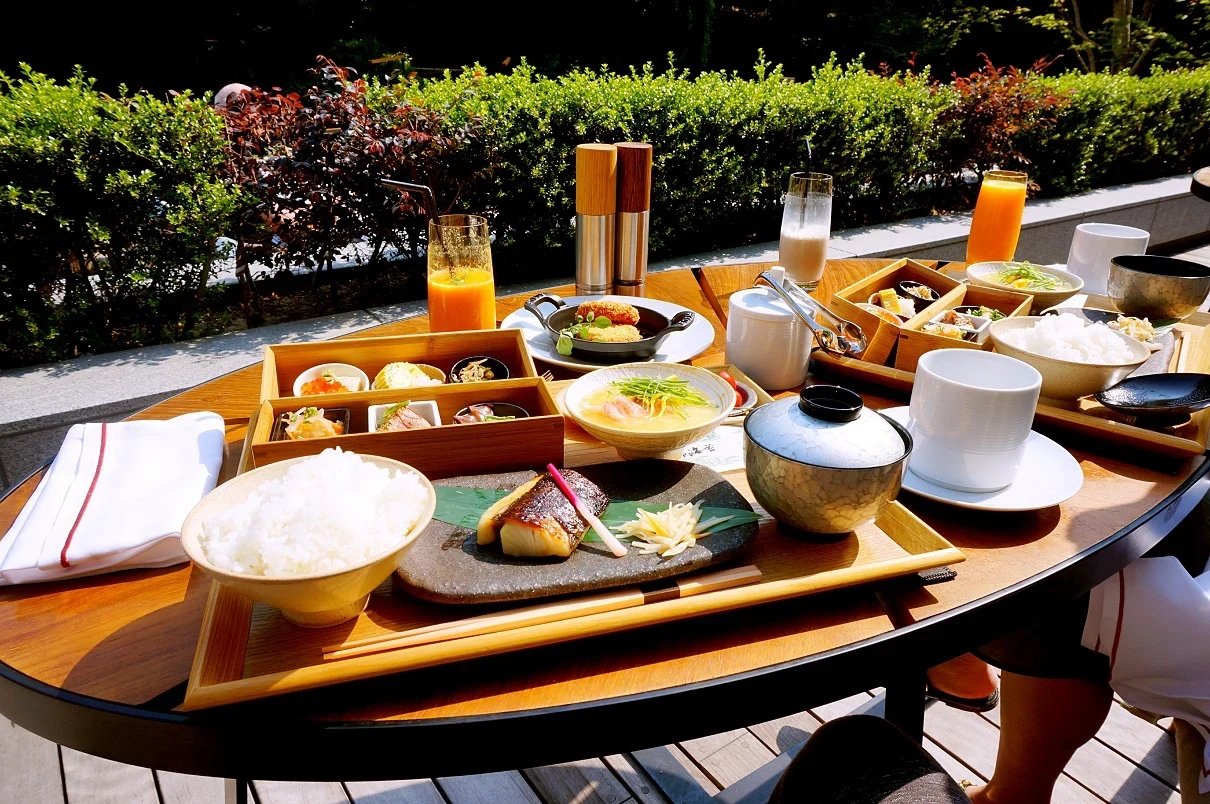
Almost everything else happens at EMBA Kyoto Grill, the big dining room with its very high ceiling and a wall of glass onto the pond. It was renamed in April 2025, when it got a Josper grill burning cherry wood charcoal, and dinner is steak and seafood off that fire, inside or out on the pondside terrace. It's the only restaurant open all day, though, and by the second evening I wanted somewhere else. Breakfast is there too. I found the buffet a let-down, so I'd order the Japanese set, which changes daily, and add the truffle onsen eggs, the best thing I ate at breakfast.
For one special dinner, book Sushi Ginza Onodera, an Edo-style counter with ten seats, run by Takuya Kubo, who came from the group's New York restaurant. The old lounge reopened in April 2026 as SEY, an izakaya-style bar looking onto the pond, and its Smoky Old Fashioned, made with Japanese grain whisky and sansho pepper and smoked over cherry wood, was my nightcap. There's karaage and ribs slow-cooked for nine hours if you're hungry, and with only 38 seats it's worth booking. On the other nights, Kawaramachi is about ten minutes away by taxi.
Setting
Go out into the garden early in the morning and you'll see why the hotel was built here. Shakusui-en is about 800 years old, laid out at the end of the Heian period, and it covers around five acres, with two ponds divided by a stone bridge and a path that winds round to the teahouse. I could have stood on that bridge all morning watching the koi.
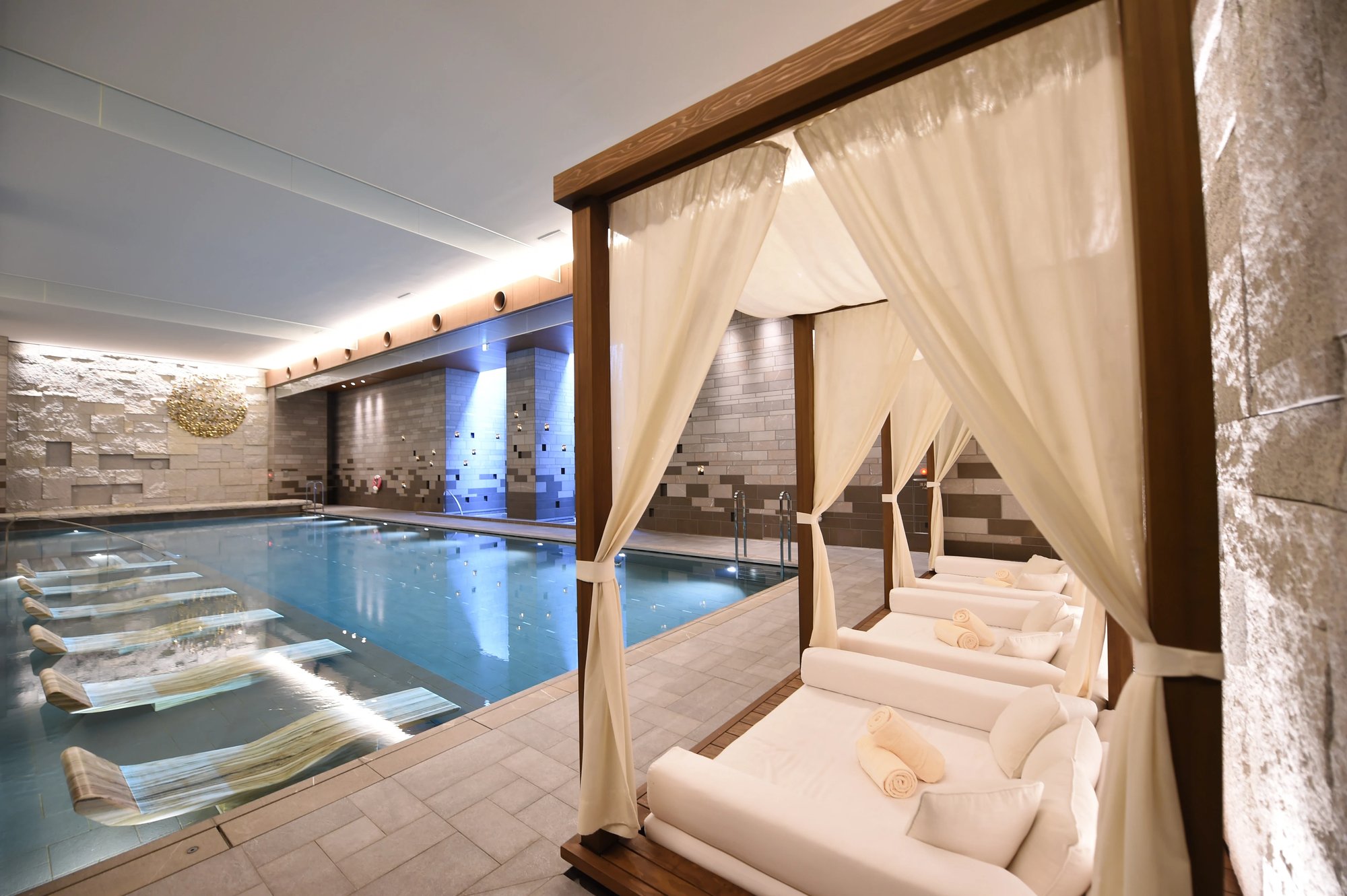
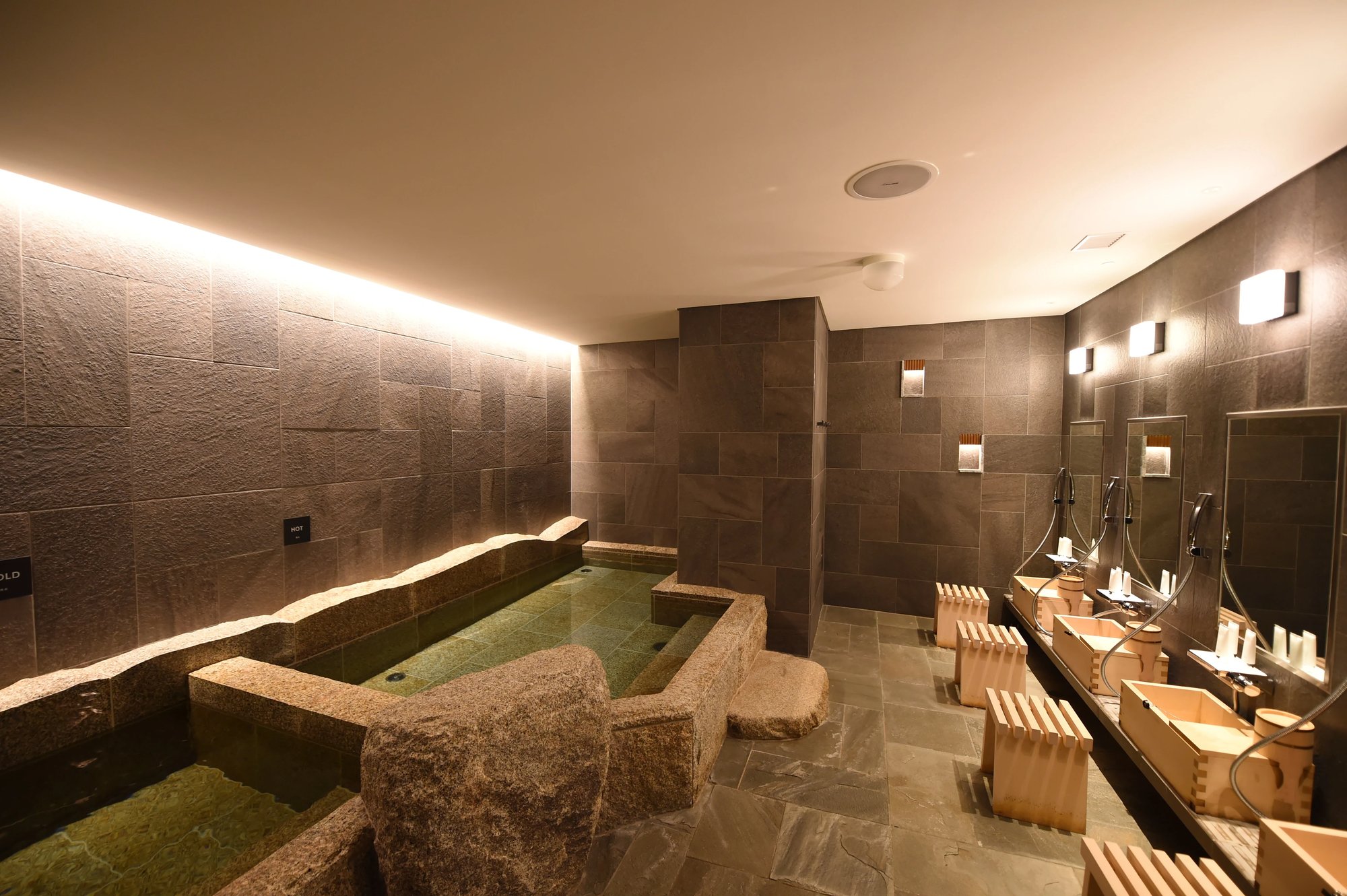
The pool is the other reason to come. It's 20 metres long and lit from skylights, with golden walls, cabanas hung with white drapes and a big hot tub, and it was the first place I headed when we got back each afternoon. The spa does a Kyoto Green Tea Therapy and a private sake bath, and the gym is open around the clock.
Out of the gate, the streets are quiet and there isn't much around. You're at the southern end of Higashiyama, with Sanjusangendo next door and Kiyomizu-dera a 15-minute walk away, but you're off the old lanes, so you won't have them to yourself at dawn the way you would from the Park Hyatt. Kyoto Station is about ten minutes by taxi and Arashiyama is a long drive. From Kansai airport, allow about 90 minutes by car.
Value
In January and the heat of August an entry room can drop to around $800 a night, and on an ordinary night it's about $1,100. In cherry blossom season and the autumn colour weeks of November it climbs past $1,800, and you'll pay more for a garden room over the pond. That puts it level with the Ritz-Carlton, a little under the Park Hyatt, and well below Capella Kyoto at about $1,450 a typical night and Aman Kyoto at about $2,300.
For a family the sums look better. Children under 18 stay free in your room, the little ones eat free, and the pool and the playroom come with the stay. Six Senses Kyoto, a minute's walk away, costs around $625 on a typical night, and for a couple who'll be out all day it's the cheaper way to stay in this corner of the city. Four Seasons has no tie to the big hotel points programmes, so you won't earn or spend points here.
If you're bringing children for four or five nights, I think the price is fair. For a short first trip as a couple, I'd spend about $100 a night more at the Park Hyatt and wake up on the old lanes.
Who it suits
It suits families, with the pool, the playroom and children staying free, and anyone spending four nights or more who wants a garden and a pool to come back to after a day of temples. It's the wrong choice if you want to step out of the door onto the old lanes, or want a small hotel where everyone knows your name, and if you plan to eat in most nights you'll tire of EMBA. For the lanes and the Yasaka Pagoda, book the Park Hyatt Kyoto. For the river and an easy walk to Pontocho at about the same price, the Ritz-Carlton Kyoto, and for less money in the same quiet corner, Six Senses Kyoto.
More on the area: Kyoto guide.