Why I keep going back to Japan
Japan is the country I'd send almost anyone to first. The service is the best in the world (someone will chase you down the street to hand back a coin you dropped), the food is ridiculous at every price, and the hotels have quietly become some of the most exciting anywhere.
Tokyo is where the big names are fighting it out right now…the Aman, the Four Seasons at Otemachi, the Palace, the Ritz-Carlton up in the sky, the Park Hyatt back from its renovation, and new towers like Bellustar over Shinjuku. Kyoto is the opposite. The hotels are smaller and calmer, and the garden, the hot spring or the pagoda in your window is the whole point. And Osaka is the one people skip, which is exactly why the value is so good.
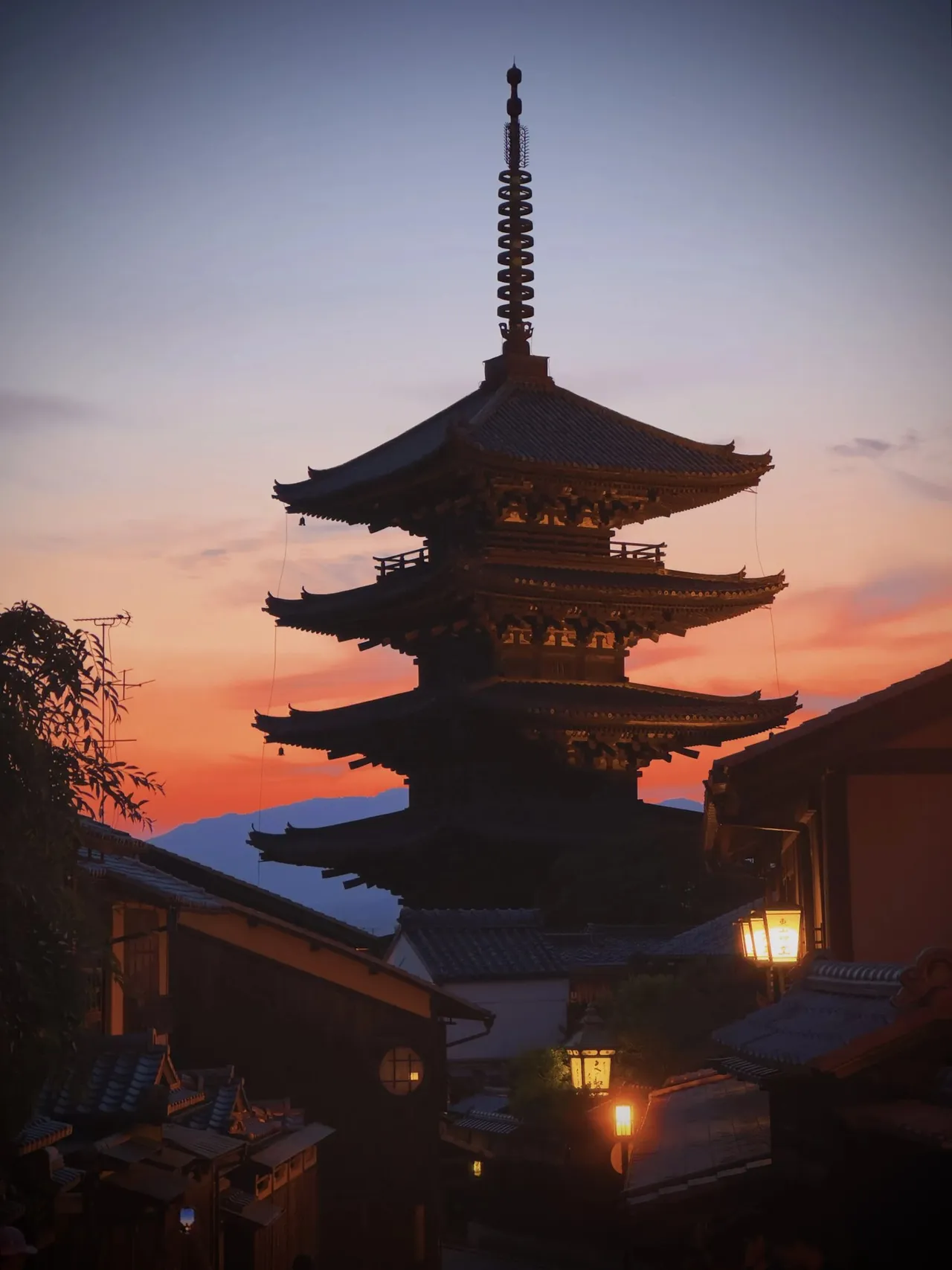
Below is every Japan hotel I've reviewed, ranked by Heart Score. If you only read two, read the Four Seasons at Otemachi, my pick for most trips to Tokyo, and the Park Hyatt Kyoto, for the old lanes and that pagoda.
10 hotels reviewed · Tokyo, Kyoto and Osaka
Why go
Nowhere else eats like Japan, or looks after you like it. Tokyo has more Michelin-starred restaurants than any other city, Kyoto keeps the temples, gardens and kaiseki cooking of the old capital, and Osaka is where the country goes to eat and let its hair down. The trains between them are fast, clean and on time, so one trip can take in all three.
Tokyo
Tokyo is really a collection of towns: glass towers and quiet moats around the Imperial Palace, neon and crowds in Shinjuku and Shibuya, old temples in Asakusa. Otemachi and Marunouchi, beside Tokyo Station, have most of the top hotels and the easiest bullet-train connections, though the streets are quiet at night. Shinjuku is livelier, and Roppongi and Azabudai Hills suit travellers who want galleries and bars.
Haneda airport is much closer to the centre than Narita. The best sushi counters book out weeks ahead, so tell your hotel what you want early.
Kyoto
Kyoto rewards early mornings, slow walking and at least three nights. Higashiyama and Gion put the old lanes and the best-known temples on foot. The centre, around the Kamo River and Nijo Castle, is better for restaurants and the subway, and Arashiyama, in the western hills, suits a slower stay.
Kyoto has no airport. The bullet train from Tokyo takes about two and a quarter hours, and Kansai International is around 75 minutes by train. Taxis are often the easiest way between temples.
Osaka
Osaka is big, loud, friendly and full of street food, and it's the easiest base for day trips: Kyoto is about 15 minutes by bullet train, Nara 45 and Kobe 20. Umeda and the river island of Nakanoshima, in the north, have most of the luxury hotels. Namba and Dotonbori, in the south, are the heart of the nightlife.
When to go
Late March to early April for cherry blossom, and October to early December for clear skies and autumn colour. These are the best weeks and the most expensive, so book early. June to mid July is the rainy season and August is hot and very humid. Winter is cold, dry and the best value, with the best chance of seeing Mount Fuji from Tokyo.
Good to know
There's no tipping. Send your large bags ahead to your next hotel by courier, which is cheap and reliable, and ride the bullet train with hand luggage. The best small restaurants usually need booking through a hotel concierge, and never skip a booking, because it reflects on the hotel that made it.